Question
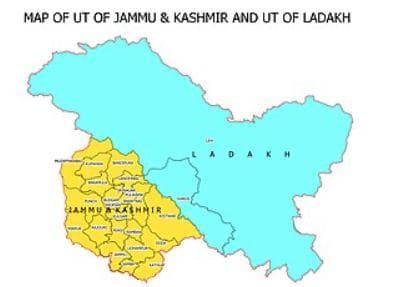
Q2(a). Analyze the major features and merits of the Jammu and Kashmir Reorganisation Bill, 2019
Show AnswerHide Answer
Model Answer
“Integration of Jammu and Kashmir is not just a political decision; it is a step towards equal rights, equal opportunities, and equal justice.”
- Prime Minister Narendra Modi
The Jammu and Kashmir Reorganisation Bill, 2019, passed by Parliament on 5 August 2019, marked a historic turning point in India’s federal and constitutional structure. By abrogating Article 370 and 35A, it revoked the special status of the erstwhile state of Jammu & Kashmir, bringing it on par with other Indian states and Union Territories (UTs).
Major Features
Reorganization of the State:
- The Bill divided Jammu and Kashmir into two Union Territories J&K (with legislature) and Ladakh (without legislature), effective from 31 October 2019.
- This allowed direct central administration to improve governance and law and order.
1. Legislative and Executive Structure:
- J&K UT retained an elected Legislative Assembly and Lieutenant Governor, similar to Delhi.
- Ladakh is administered by a Lieutenant Governor, ensuring focused development in the strategically sensitive Himalayan region.
Extension of Central Laws:
- Over 106 central laws (like RTI Act, CBI Act, and SC/ST Protection Act) were extended to J&K.
- All citizens now enjoy uniform rights related to property, employment, and education.
Judiciary and Civil Services:
- The High Court of J&K retained jurisdiction over both UTs.
- The All India Services (AIS) cadre was extended, improving administrative efficiency.
Delimitation and Political Representation:
- The Delimitation Commission (2020) was established to redraw assembly constituencies to ensure fair representation.
Merits and Achievements
- Administrative Efficiency: Direct central governance enhanced service delivery and curbed corruption. Nearly ₹58,000 crore worth of development projects have been sanctioned (MHA, 2023).
- Security and Integration: The unified administrative structure improved coordination among security forces. Terror-related incidents dropped by over 60% (2019–2023) (Home Ministry Data).
- Economic Growth: New industrial policy (2021) attracted ₹1,200 crore FDI proposals; tourism reached a record 2.1 crore visitors in 2023, boosting employment.
- Grassroots Democracy: Panchayat and DDC elections witnessed 70% turnout, empowering local governance.
- Social Equity: Women and Dalits regained land and property rights earlier denied under Article 35A.
Haryana Connection:
Haryana’s industrialists (especially in Gurugram and Panipat) have expressed interest in investing in J&K’s handloom, horticulture, and agro-processing sectors after liberalization, reflecting pan-Indian economic integration.
The Reorganisation Act has politically and legally integrated J&K into India’s mainstream, promoting equality, security, and development. The real success, however, will depend on sustained peace, employment creation, and democratic consolidation through inclusive governance.