Question
Discuss the major activities organized by India as chair of the G-20.
Show AnswerHide Answer
Model Answer
“The G20 is not merely a diplomatic forum it is the voice of the Global South, and India has amplified that voice with purpose and pride.” - Prime Minister Narendra Modi, G20 Summit
India assumed the Presidency of the G20 from December 1, 2022 to November 30, 2023, under the theme “Vasudhaiva Kutumbakam” (One Earth, One Family, One Future).
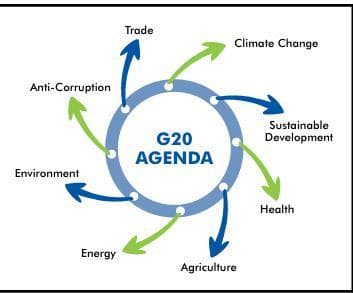
As chair, India sought to redefine global multilateralism by focusing on inclusive growth, sustainable development, digital transformation, and climate action.
India transformed its presidency into a “People’s G20”, showcasing its federal spirit, cultural diversity, and developmental priorities.
Major Activities and Initiatives Organized by India as G20 Chair
1. Global Governance and Summit Diplomacy
New Delhi Leaders’ Summit (September 9–10, 2023) was the largest multilateral event ever hosted by India.
Key Outcome: Adoption of the New Delhi Leaders’ Declaration (100% consensus) a major diplomatic achievement amid Russia-Ukraine tensions. Declaration emphasized “human-centric development, peace, and climate justice.”
Inclusion of the African Union (AU) as a permanent member transforming G20 into G21, ensuring greater representation for the Global South.
2. Economic and Financial Cooperation
Finance Track Meetings focused on global debt sustainability, inflation management, and reform of multilateral financial institutions.
India led the call for reforming global financial architecture, advocating greater voice for developing countries in the IMF and World Bank.
Digital Public Infrastructure (DPI) Framework endorsed globally inspired by India’s Aadhaar–UPI–CoWIN model, positioning India as a leader in digital inclusion.
3. Focus on the Global South
India hosted the “Voice of Global South Summit” (January 2023) attended by 125 developing countries. The initiative gave a platform to smaller nations to express their concerns on food security, energy crisis, and debt relief.
India proposed the creation of a Global Biofuel Alliance (GBA) formally launched at the G20 Summit (2023) with 19 member nations.
4. Climate Change, Environment, and Green Energy
- India’s presidency introduced Green Development Pact for a Sustainable Future, emphasizing climate finance and equity.
- Global Biofuel Alliance (GBA): India, Brazil, and the US launched this to promote biofuels as a clean energy alternative.
- LiFE Mission (Lifestyle for Environment): Encouraged behavioral change toward sustainable consumption.
- India also advanced cooperation on Disaster Risk Reduction (DRR) through the Coalition for Disaster Resilient Infrastructure (CDRI).
5. Women-led Development and Inclusive Growth
Jaipur G20 Women’s Empowerment Conference launched the “Women’s Entrepreneurship Platform (WEP) 2.0”, promoting gender-inclusive digital finance.
The W20 Communiqué emphasized bridging gender digital divide and increasing women’s representation in STEM sectors.
6. Cultural Diplomacy and People’s Participation
- Over 250 cultural events were organized across India showcasing the theme “Culture Unites All.”
- Highlights included:
- G20 University Connect Program: Reached over 1 crore youth in 500 universities.
- G20 Digital Museum and Crafts Bazaars across host cities promoted local artisans and tourism.
- Haryana’s Surajkund Crafts Mela (2023) hosted a special G20 Pavilion featuring traditional crafts and digital innovation stalls representing “Make in India” and “Vocal for Local.”
7. Technology and Digital Cooperation
- India introduced the G20 Framework for Digital Public Infrastructure, endorsed globally as a model for developing nations.
- One Future Alliance (OFA) was launched to promote cooperation in AI, data governance, cybersecurity, and digital skills.
- G20 Startup20 Engagement Group, headquartered in Gurugram, Haryana, worked on building a global startup ecosystem, resulting in the Startup20 Policy Communiqué (2023).
8. Humanitarian and Food Security Initiatives
India emphasized food, fuel, and fertilizer security, especially post-Ukraine crisis.
- Millet Initiative: Promoted traditional grains as climate-resilient food.
- Delhi Declaration reaffirmed commitment to ending hunger and malnutrition by 2030, aligning with SDG-2 (Zero Hunger).
Key Achievements of India’s G20 Presidency
- Consensus-building amid geopolitical tension (Russia–Ukraine war).
- Mainstreaming the Global South into the global economic agenda.
- Institutional innovations DPI Framework, GBA, One Future Alliance.
- Promotion of India’s cultural diplomacy and youth engagement.
- Enhanced India’s global leadership image as a bridge between developed and developing nations.
India’s G20 Presidency marked a diplomatic watershed, transforming the forum from a crisis-management group to a platform for equitable global governance.
Through initiatives like the Global Biofuel Alliance, Voice of Global South Summit, and Digital Public Infrastructure Framework, India repositioned itself as a solution provider for global challenges.
From Gurugram’s digital startup discussions to Delhi’s global summit, the G20 year showcased the essence of India@75 confident, inclusive, and future-ready.